News and articles
New partnership: Ekobanken
Nordic Circular Hotspot and Ekobanken are glad to announce a new partnership. Ekobanken is also one of the contributors to NCH's circular finance Transition Group, working on the frontlines of the transition to a circular economy within the financial sector.
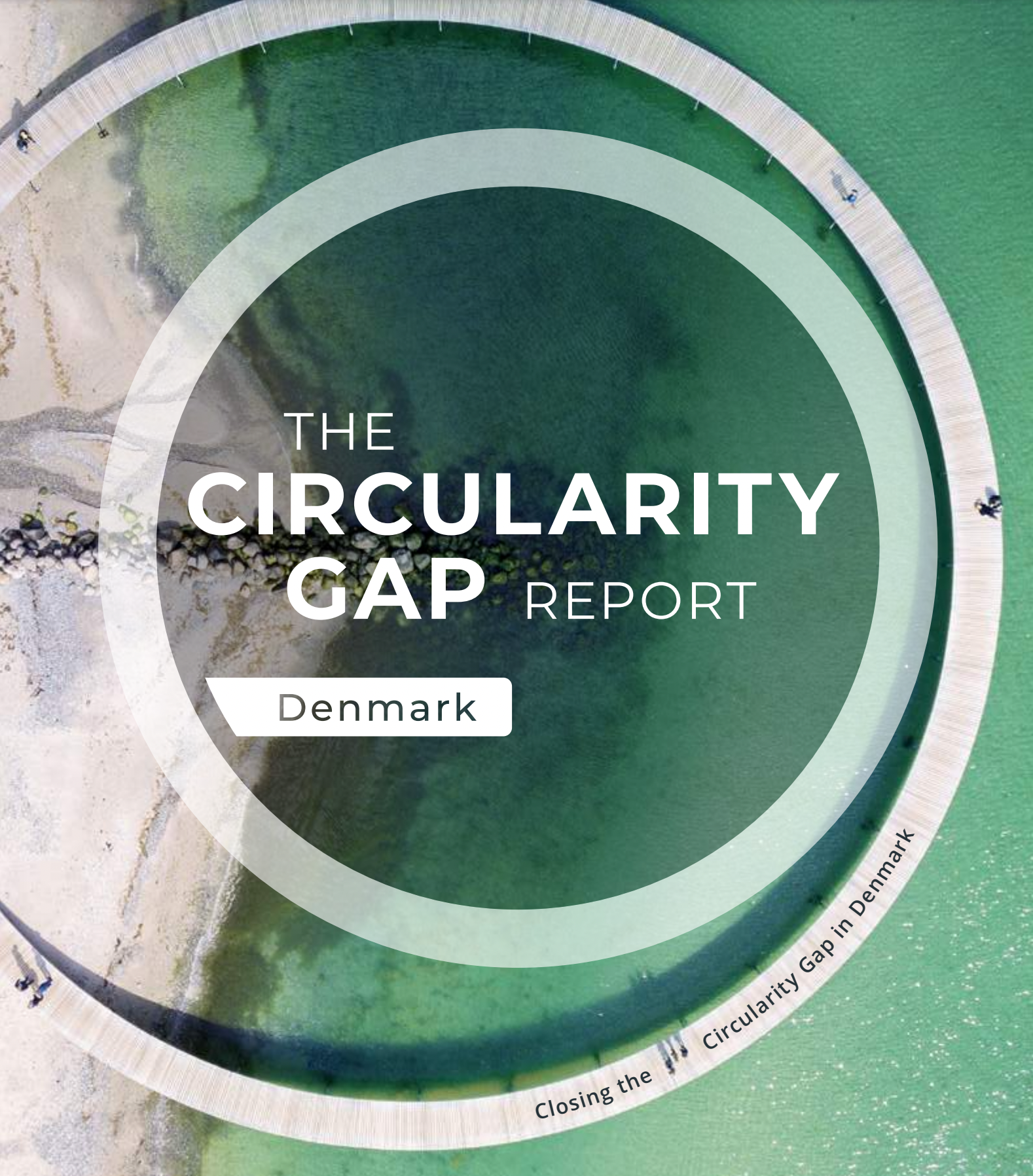
Denmark’s economy is 4 % circular
Denmark’s economy is only 4% circular. Joining the overall low circularity metrics of its Nordic neighbours. The newly launched Circularity Gap Report Denmark points out that this figure is defined by very high material consumption of 24.5 tonnes of virgin materials per person, per year—over twice the global average.
New partnership: Helsinki-Uusimaa Circular Valley
Nordic Circular Hotspot and Helsinki-Uusimaa Circular Valley are glad to announce a new partnership.
New partnership: ZeBeyond
Nordic Circular Hotspot and ZeBeyond are glad to announce a new partnership.

New partnership: Kraft
Nordic Circular Hotspot and Kraft are glad to announce a new partnership, signed at the WCEF2023 in Helsinki at the end of May.

New partnership: PACE
Nordic Circular Hotspot and Platform for Accelerating the Circular Economy (PACE) are glad to announce a new partnership.
Building Bridges with the World Circular Economy Forum 2022
For the first time, the World Circular Economy Forum 2022 gathered the world’s leading circularity actors together on the beautiful continent of Africa. Together with Nordic Innovation, Nordic Circular Hotspot took part in the main event in Rwanda and organised a Nordic Accelerator Session in Oslo, focused on the power of startups. From these conversations rose the question: does Africa, in fact, hold the keys to a global circular economy?

Nordic Circular Summit 2022 gathered a record audience
The interest to find inspiration, discuss and share experiences on the circular transition is greater than ever. Nordic Circular Summit 2022 in Stockholm gathered no less than 170 speakers, approximately 650 physical and over 2700 digital visitors over three days.
Poland is 10.2% Circular
A circular economy can help Poland reduce its material use by 40%, creating a more resilient and sustainable economy. The recently launched Circularity Gap Report Poland shows that Poland’s economy is 10.2% circular. However, the country is well poised to spearhead a circular transition with its track record of resilience.